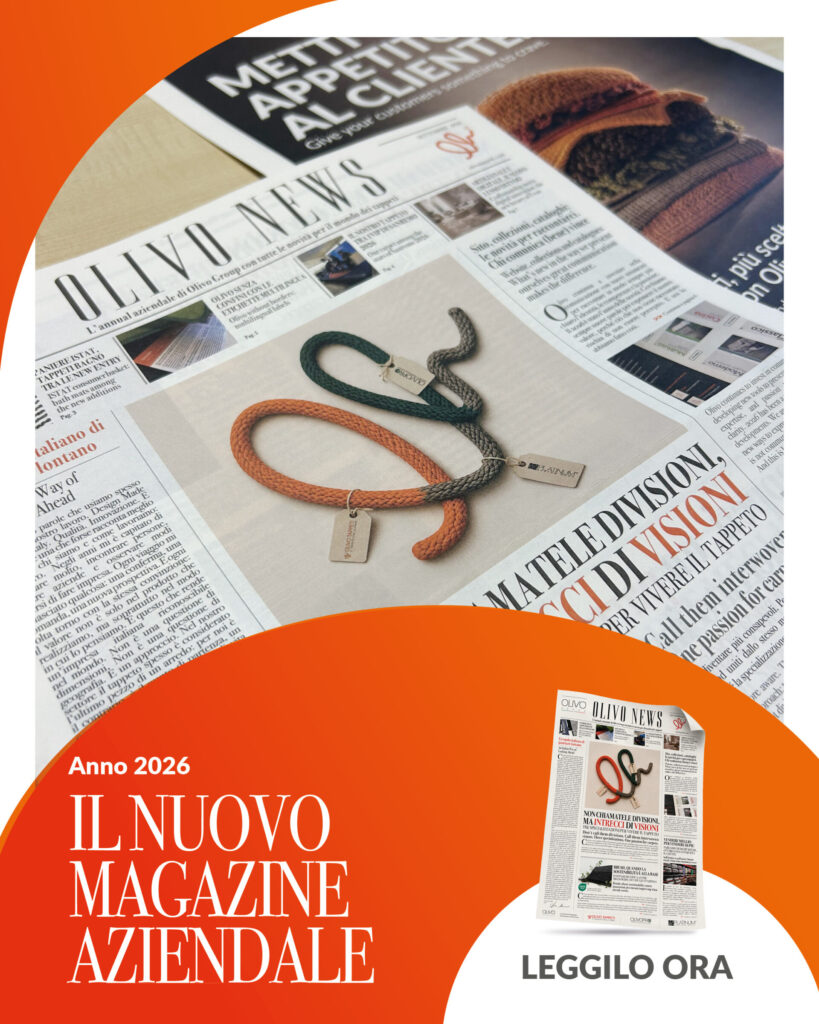
In photo - becoming a green company in the carpet world
Shop fit-out wow effect. What can we learn from multinational corporations (even if we aren't one) to become greener, and communicate it in the best way?
Learning from the greatest is always a good exercise.
To make the most of the examples we see around us, we first need to abandoning a certain attitude of renunciation, which leads us to think that sustainability initiatives are only possible for multinationals. That would be an unbeatable alibi and, above all, would make us make a big mistake.
Instead, let us see how, starting with a few examples, which we have chosen from the best known and most immediate, we can draw up our own ranking of things to do now so that even our small company, shop or business is truly green, capable of becoming an example for people, inspiring in the community the desire to contribute, each for his or her part.
By “community” we mean several things: first of all, the people who work in the company, together with those who collaborate from outside; then the people who live around the company, sharing the same territory; last but not least, the customers, who buy the company's products, provided they recognise them as being in line with its principles.
Let's take three examples, three realities that do business that is not directly related to the environment, but which demonstrate that they value sustainability:
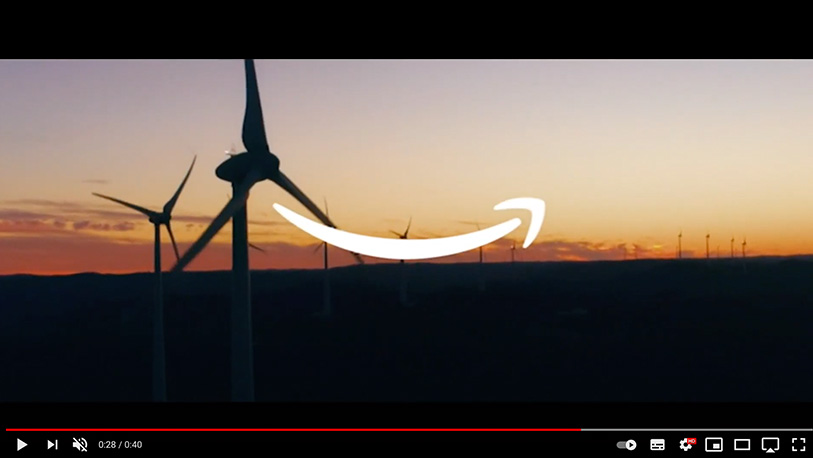
In photos - large companies and eco-sustainability
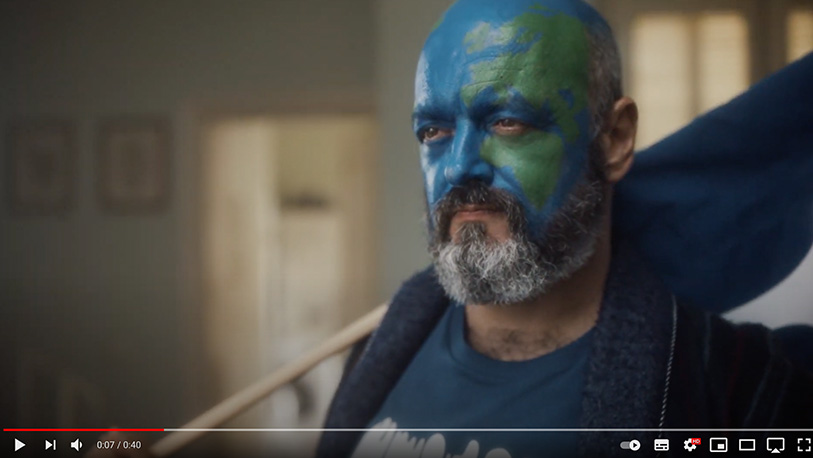

What we can learn
Actions come before communication.
First you put in place initiatives to improve performance, then you talk about it to let everyone know. The company, in short, must set an example.
All communication must emerge from the company's way of being.
You can tell by the tone of voice. Amazon, which only does things big and was born to be ahead of its time, says it clearly: “At Amazon, we don't just think big, we act big”, and chooses an epic and evocative tone for its commercial.
Ikea, on the other hand, remains on the ironic and humorous register (we are also super heroes, unwitting champions of the environment) and always faithful to the idea of home as the best place to be.
Nespresso knows that its refined customer can talk about circular economy and “purpose”, and touches people's hearts with images (as well as George Clooney's voice, in the English version).
The numbers speak for themselves. Are we good or not? You decide, I say “100,000 electric vehicles”, “zero emissions”, and I even put a date on it.
Storytelling to inspire. In all cases, the communication does not just show how good we are, but creates an emphasis in the viewer, who feels part of those same enterprises. Rationally (a level we know comes after the emotional one anyway), the consumer will be more inclined to support a brand that shows care for the environment and the value of people. Choosing its product will be like endorsing its way of being.
The Dangers
To communicate is always to expose oneself. The main danger, especially in the case of sustainability communication, is the accusation of “green washing”.
That is, the company washes its conscience, and its image, by giving something in terms of sustainability, trying to divert attention away from the negative events that affect it (in terms of workers' rights, product quality or pollution, for example).
In an interconnected world, where everyone takes the floor online to say how things are from their own point of view, secrets do not exist. Empty marketing proclamations can be dismantled in a single tweet from an employee, who knows very well how things really are.
We all live in crystal houses, brands perhaps even more so.
So there is only one solution: to finally engage in sincere communication, which is not just an attempt to pull the wool over people's eyes. There is also the flip side of the coin: some companies, out of this fear, avoid communicating, not feeling perfect and waiting until they are unassailable to start saying it.
This also turns into a mistake: even if we are only in the process, and we have not yet achieved our goals, that is no reason to remain in the shadows.
The turning point is precisely the transparency of communication.
If I first declare that I have not yet arrived at the result, I do not allow my detractors to rise up.
At best I will get constructive criticism. 
In photo - environment e Olivo Group
The first thing to do, in any case, is to start asking yourself:
“What can I do to improve the sustainability of my company”? We have been doing this too, for some years now, so much so that we have launched our own brand “Let's go green”, stating: “Our goal is to have a product catalogue as environmentally sustainable as possible, with carpets made from recycled materials, recyclable materials, or natural raw materials”.
A promise that is kept, and that is realised by creating certified products, with explicit labels on the use of recycled raw materials and on disposal instructions, but also by working on packaging and packaging, where plastic is replaced in favour of cardboard.
Do you like these carpets?
Do you want to know your nearest dealer?
Enter your postcode and your e-mail address to receive a list of shops in your area.
Error: Contact form not found.